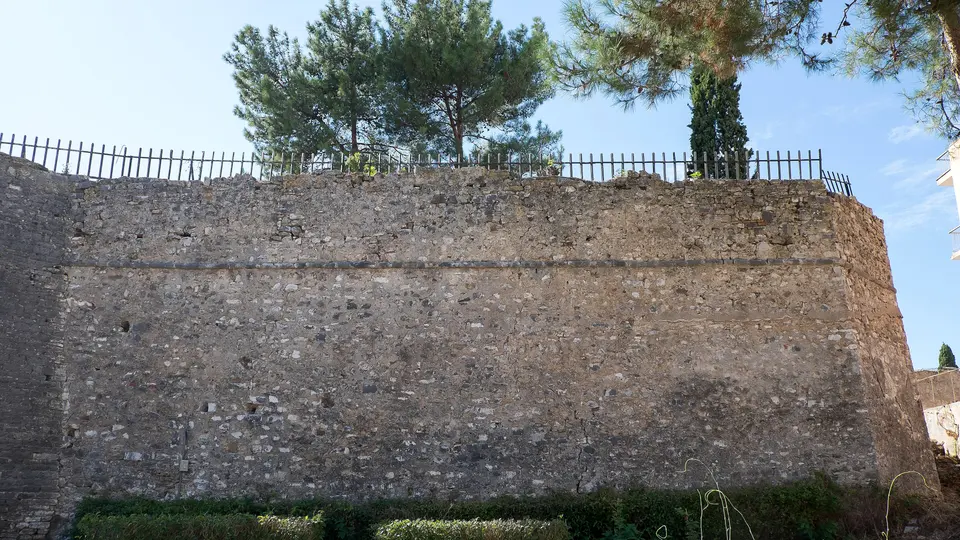
Castle of Agios Andreas
Preveza town centre, a few minutes' walk from the harbour
Photo: Nikos D. Karabelas / Wikimedia Commons · CC BY-SA 4.0Preveza's largest castle, in the middle of town: built by the Ottomans in 1702, enlarged by the Venetians and rebuilt by Ali Pasha in 1807–1808.
About Castle of Agios Andreas
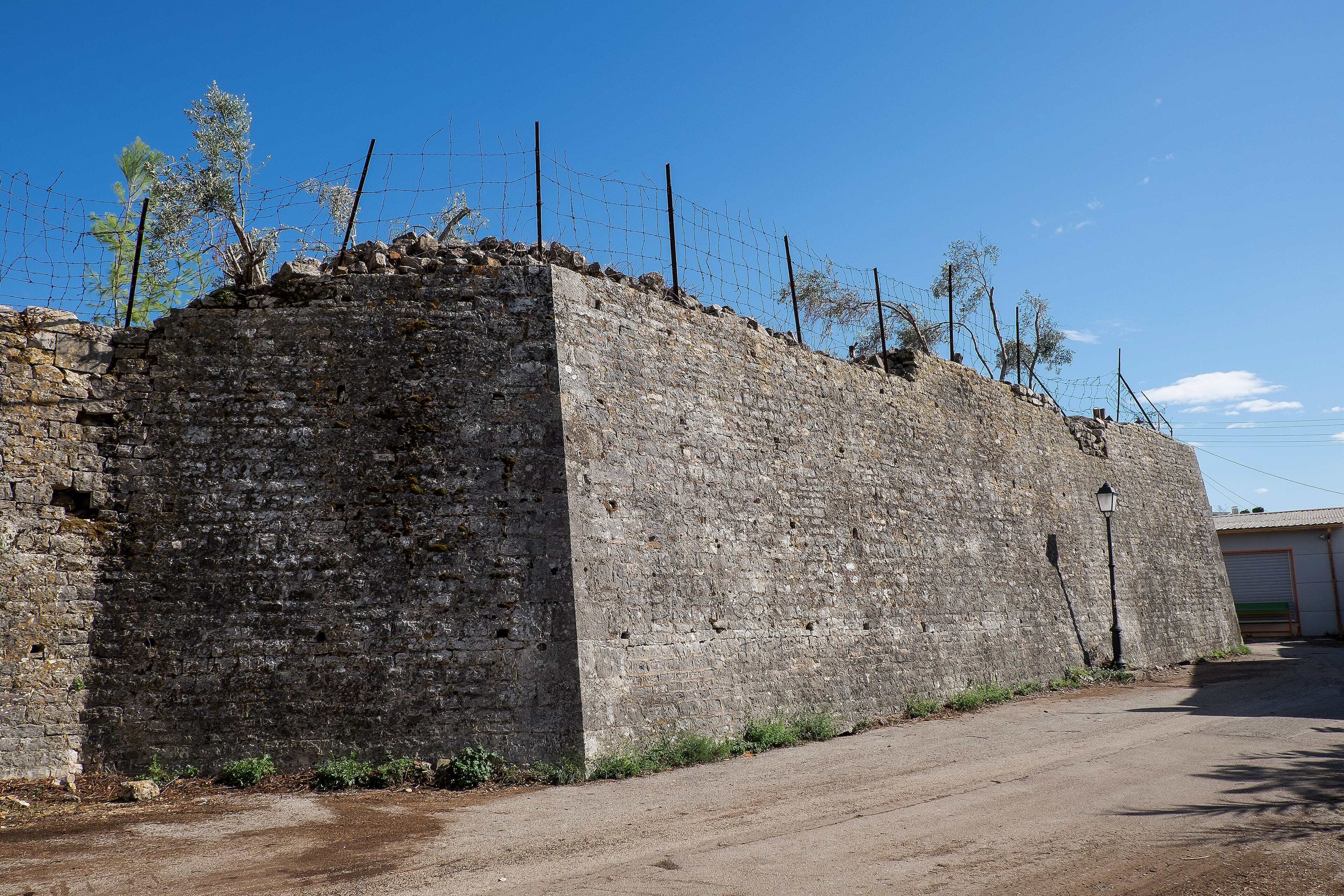
The Castle of Agios Andreas (Saint Andrew) is the largest of the six castles that survive around Preveza, and it sits right in the town. It has three building phases, one for each of three periods in the town's history.
In 1701, under the Treaty of Karlowitz, the Venetians handed Preveza to the Ottomans and blew up the old Castle of Bouka. The Ottomans quickly built a new square fort with stone bastions at its four corners. Venetian documents call it the "castle at the cypress" (Sto Chiparissi), and it was finished by August 1702. The Venetians took Preveza back in 1717 and held it until 1797. They cut the fort to about half its size, faced its earth walls with stone, added a fifth bastion and deepened the moat. They also turned its mosque into a Catholic church of Saint Andrew, in honour of Admiral Andrea Pisani, who had taken the town. That church gave the castle its name.
Ali Pasha came back to Preveza in 1806. In 1807–1808 he rebuilt the bastions and added an outer wall to the east, which brought the town's grandest houses inside the fortifications. An Ottoman inscription on the south-east bastion gives the year 1223 of the Hijra (1808–1809).
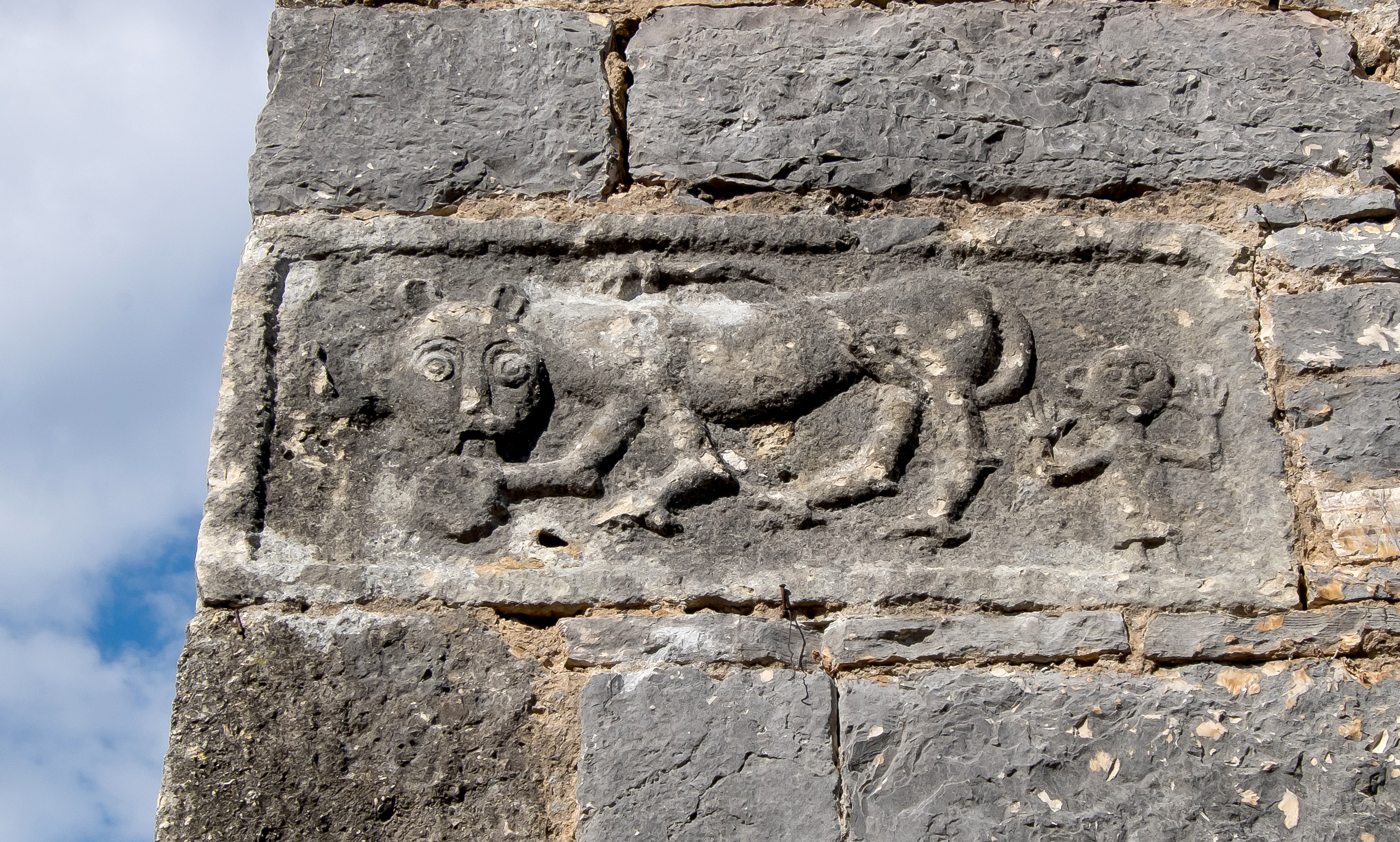
Six carved stone reliefs, almost all from the Ottoman period, are still set into the walls. They show a monstrous animal chained to a cypress tree, a hunter shooting at a large beast and two dog-like animals standing on their hind legs. The Greek Army used the castle from 1912 until 2005, and most of the outer wall was torn down between 1921 and the mid-1950s. The small chapel of Agios Andreas on the north-east bastion dates from 1956. The castle is a listed monument, and in 2015 it was agreed that the Regional Unit of Preveza would take over its use.
Good to know
- The best part is free: walk around the outside of the walls. The stone bastions are clearest from the surrounding streets.
- Look for the carved reliefs on the north-east and south-west bastions, and the Ottoman inscription on the south-east one.
- Access to the interior has changed over the years. Check locally whether it's open when you visit.
- The Clock Tower and the old market streets are a few minutes' walk away.
Photos
Last updated 12 October 2026. Information checked against el.wikipedia.org. Spotted something out of date? Use “Suggest a place” in the footer.
More castles & monuments in Preveza
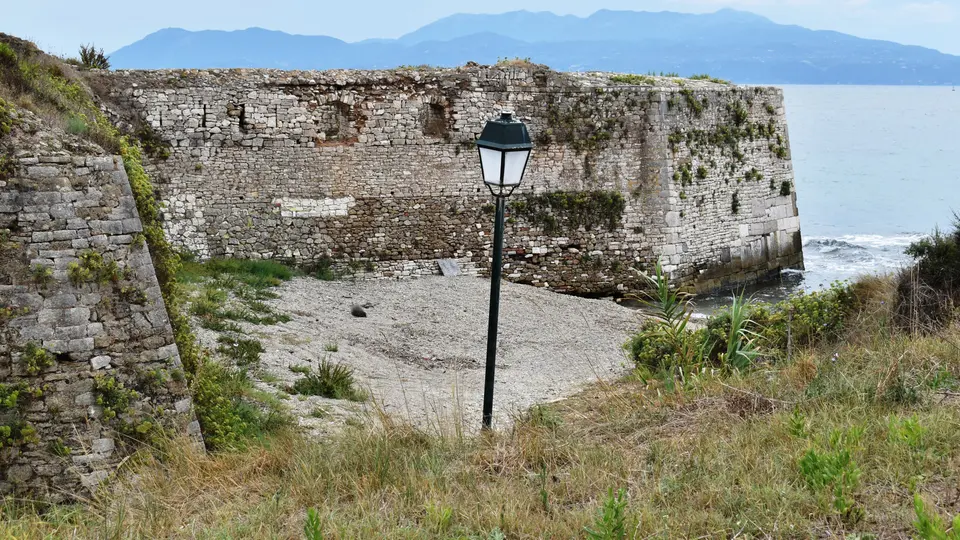
Pantokrator Castle
Ali Pasha's sea fort at the mouth of the strait, with one of the very few surviving rivellino gun batteries, famous for its sunsets and now awaiting restoration.
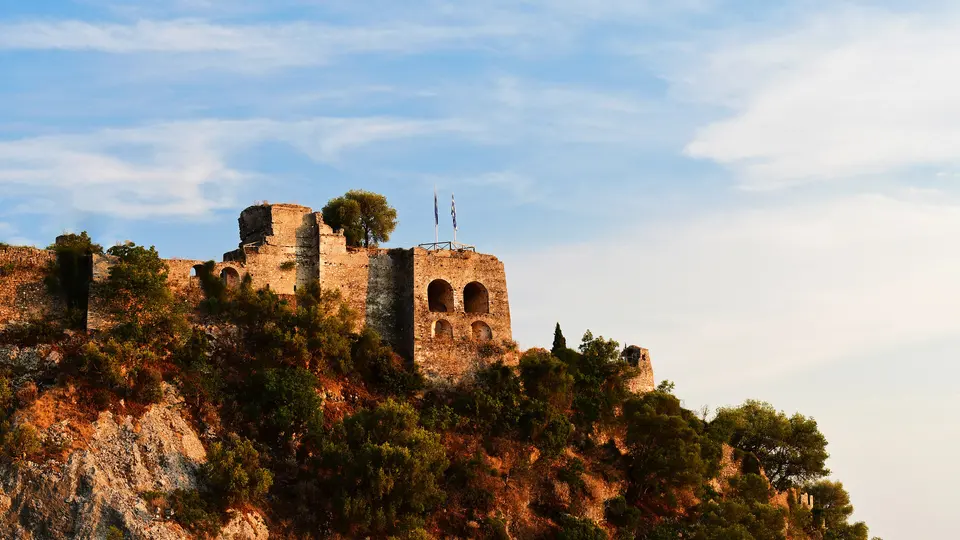
Parga Castle
The Venetian castle on the rock above Parga, which held out against Ali Pasha. Free entry, a café in the old barracks and views over Parga bay and Panagia islet.
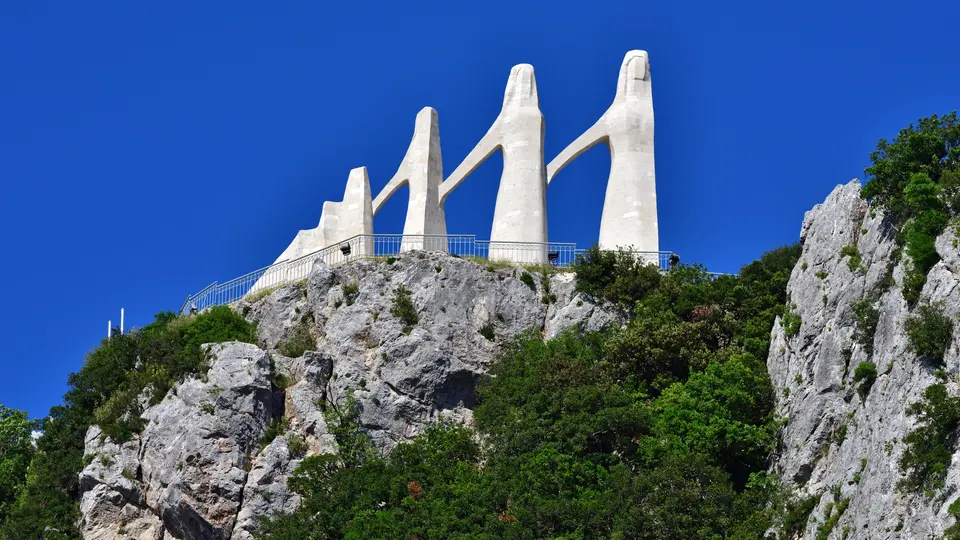
Zalongo Monument
The huge cliff-top monument to the Souliot women of 1803, by sculptor George Zongolopoulos, reached by 410 steps from the Monastery of Agios Dimitrios.
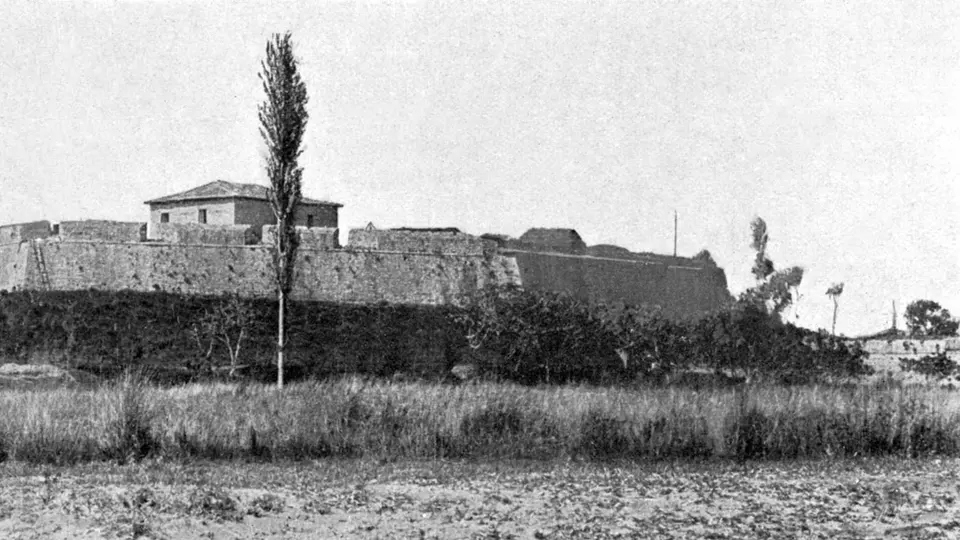
Castle of Agios Georgios
Ali Pasha's fort at the southern tip of Preveza, designed by French military engineers and built in a single season in 1807 to guard the entrance to the Ambracian Gulf.