Necromanteion of Acheron
Mesopotamos, by the Acheron (about 42 km / 35 min north of Preveza)
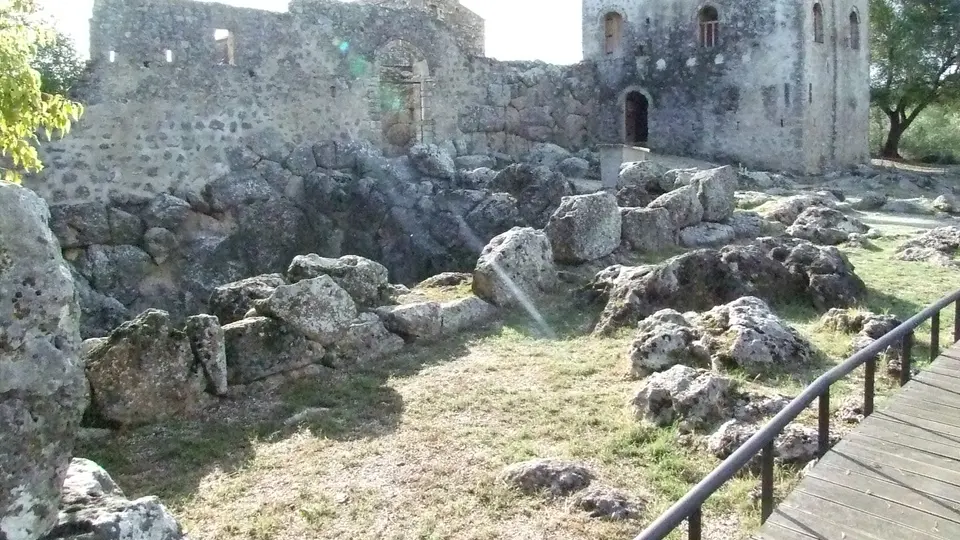
Photo: ΣΟΛΑΚΙΔΗΣ ΣΩΤΗΡΙΟΣ / Wikimedia Commons · CC BY-SA 4.0The legendary Oracle of the Dead by the river Acheron, where tradition places Odysseus' journey to Hades: a Hellenistic stone complex with a vaulted underground crypt, beside Mycenaean Ephyra.
About Necromanteion of Acheron
In Greek myth the Acheron was a river of the Underworld, the river of woe across which Charon ferried the souls of the dead. Near Mesopotamos it flowed into the Acherusian Lake and met the Kokytos ("lament"). Ancient writers placed an oracle of the dead here, where the living could call up the souls of their ancestors. In Homer's Odyssey this is the gateway Odysseus used to visit Hades. Herodotus tells how Periander, the tyrant of Corinth, sent messengers here to question his dead wife Melissa.
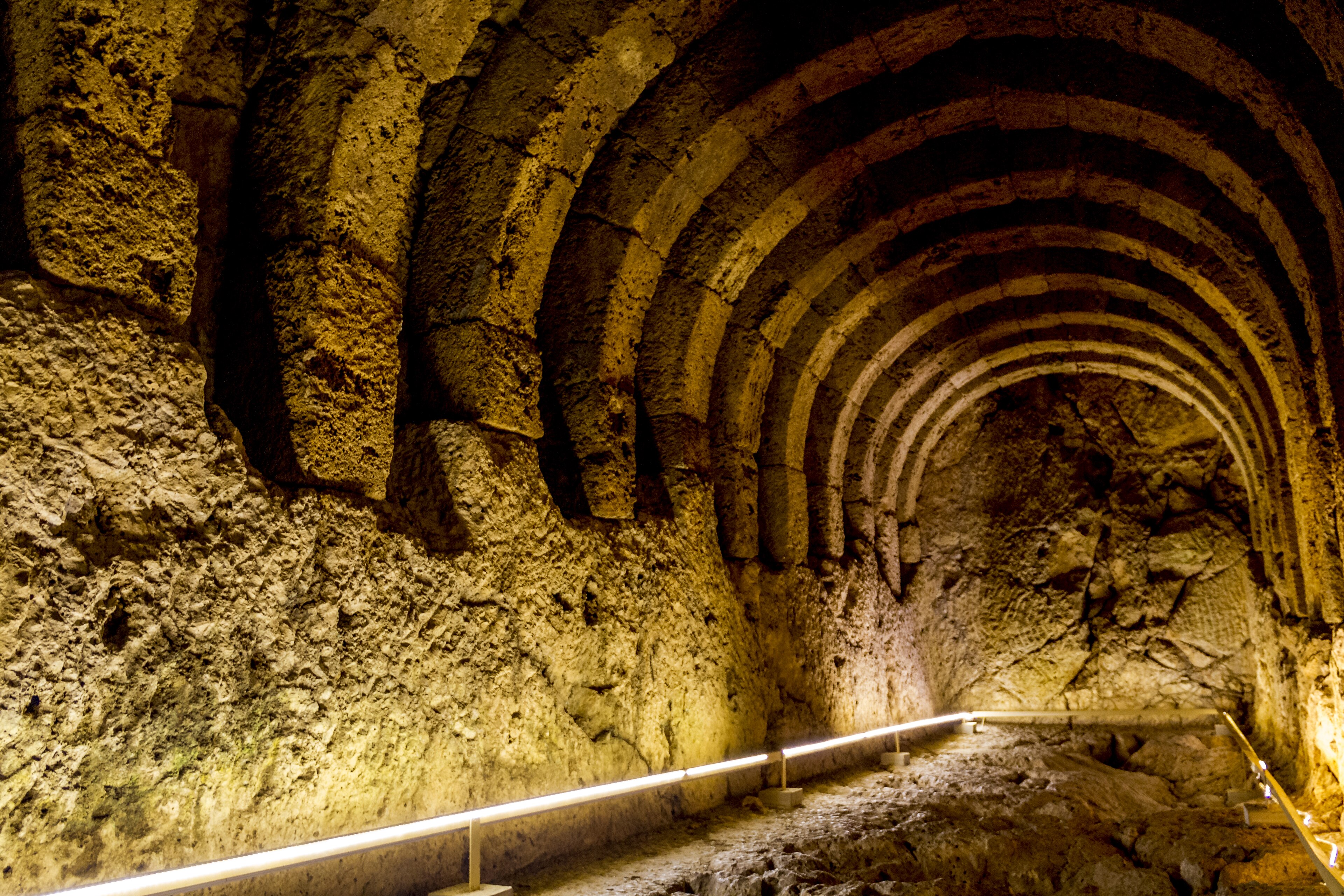
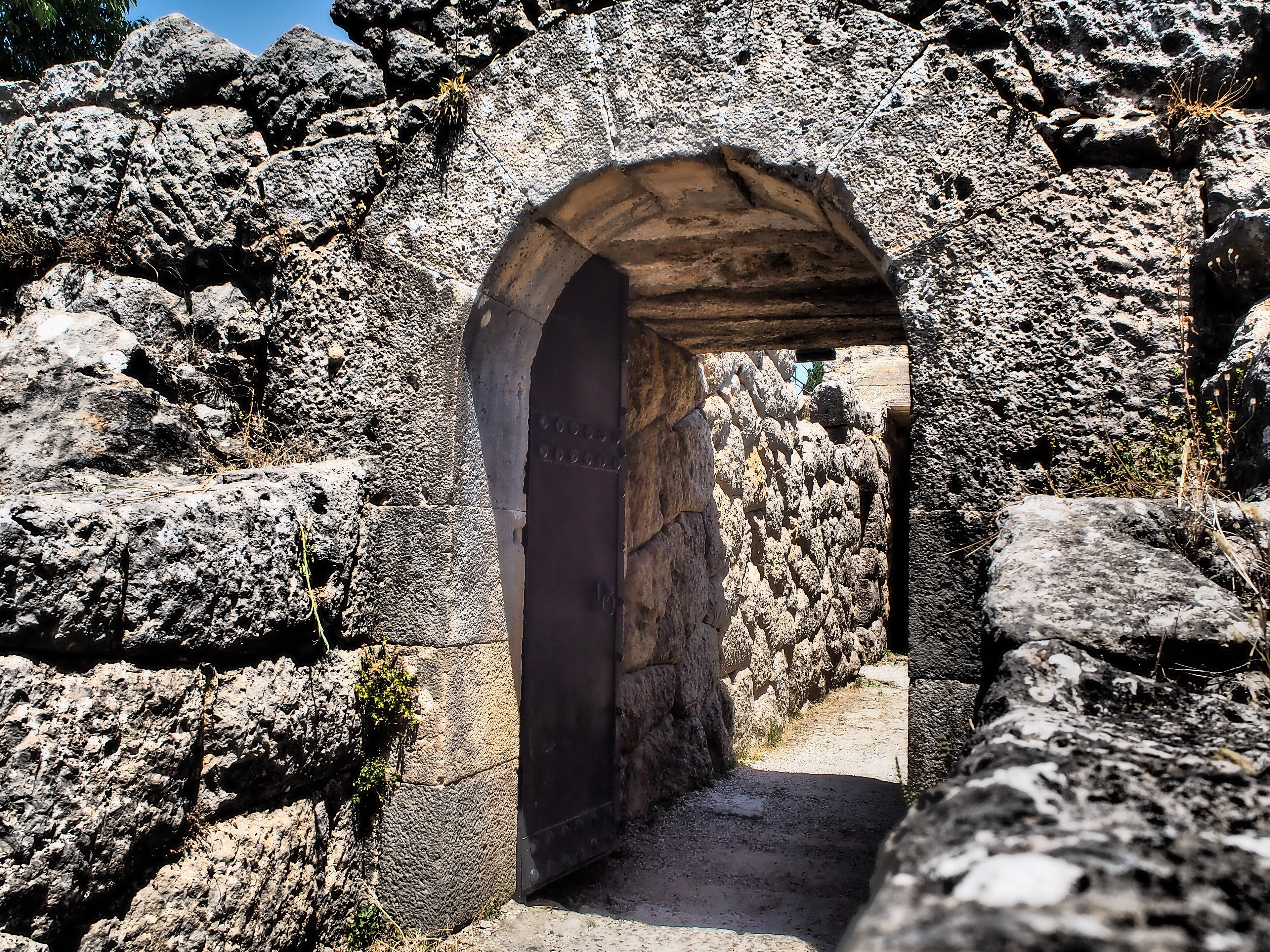
In 1958 the archaeologist Sotirios Dakaris identified the hill of Agios Ioannis above the river as the Necromanteion. He excavated it in 1958–1964 and 1976–1977. The surviving building dates from the late 4th or early 3rd century BC and was burned by the Romans in 167 BC. Its massive polygonal walls enclose a maze of corridors and rooms. Under the central hall is a crypt cut into the rock, roofed with fifteen stone arches. An acoustic study by the Aristotle University of Thessaloniki found that sound barely echoes in this underground room. In the 18th century a monastery of Saint John the Baptist was built on top, and its church still stands.
The identification is now debated. Many scholars think the building was a large fortified farmhouse of the Hellenistic period. Bronze parts from at least seven catapults were found there, which Dakaris had read as parts of a crane used to stage apparitions. On the nearby hill of Xylokastro are the walls of ancient Ephyra (Kichyros), the only confirmed Mycenaean acropolis in Epirus.
Good to know
- Take a torch or use your phone light in the underground crypt.
- In high season you may have to park a few hundred metres away and walk up to the ticket office.
- The Acheron springs at Glyki and the beach at Ammoudia, where the river meets the sea, make a natural day out together with this site.
- Ticket prices and hours change. Check with the Ephorate of Antiquities of Preveza before you go.
Photos
Last updated 12 October 2026. Information checked against en.wikipedia.org. Spotted something out of date? Use “Suggest a place” in the footer.
More archaeological sites in Preveza
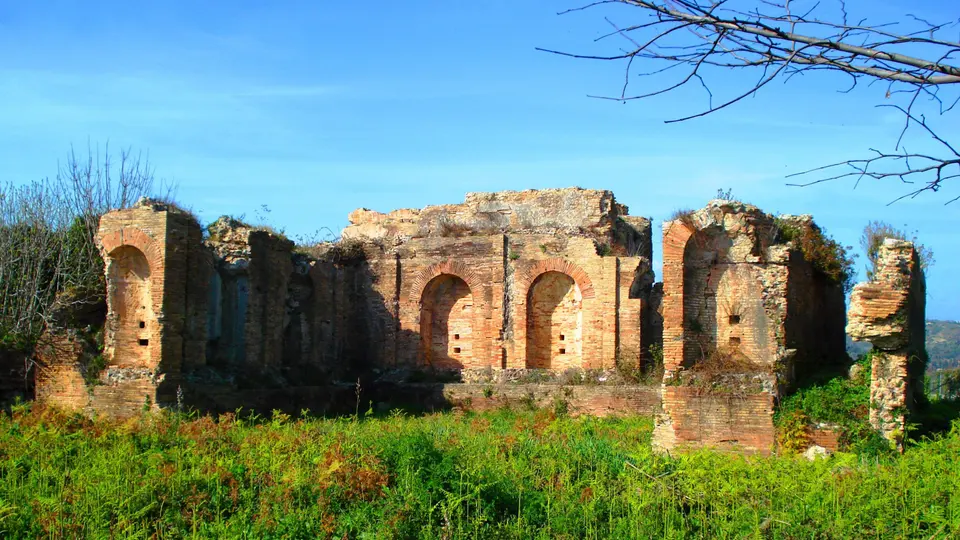
Ancient Nikopolis
The 'City of Victory' Octavian founded after the Battle of Actium: Roman and Byzantine walls, the Nymphaeum, the Odeon and Early Christian basilicas famous for their mosaics, 7 km from Preveza.
Ancient Kassope
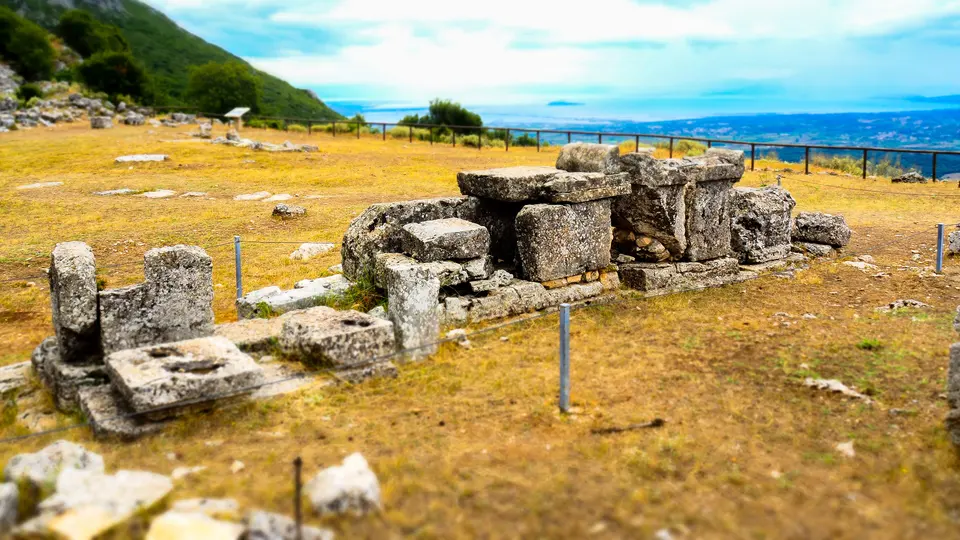
A whole Hellenistic city on a mountain terrace above the Ambracian Gulf: grid streets, agora, an inn for travellers, two theatres and houses, abandoned when Nikopolis was founded.
Ancient Orraon
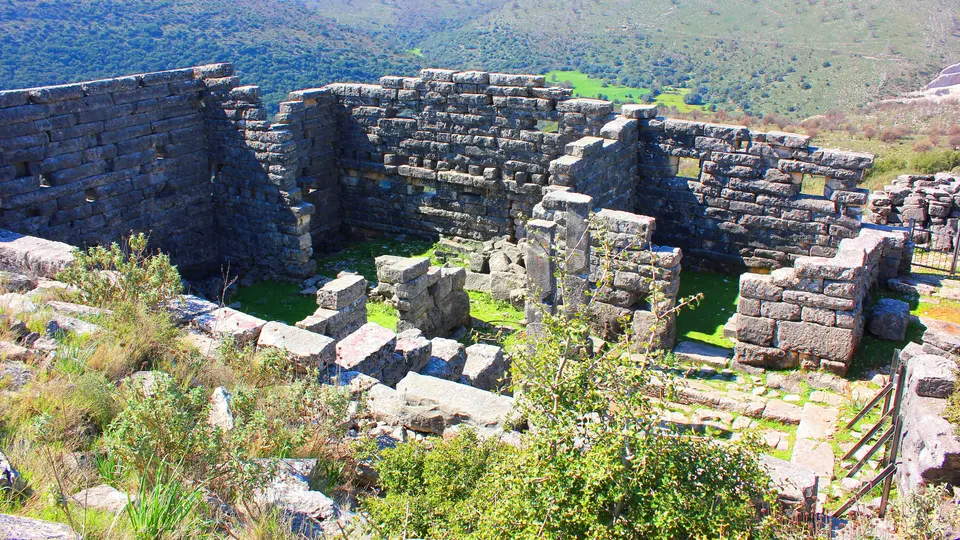
A small Hellenistic town on a hilltop near Ammotopos, with the only two-storey houses from Greek antiquity still standing, some with walls up to roof level.